Chemical In Gardenia Plants Can Regenerate Diseased Human Nerves
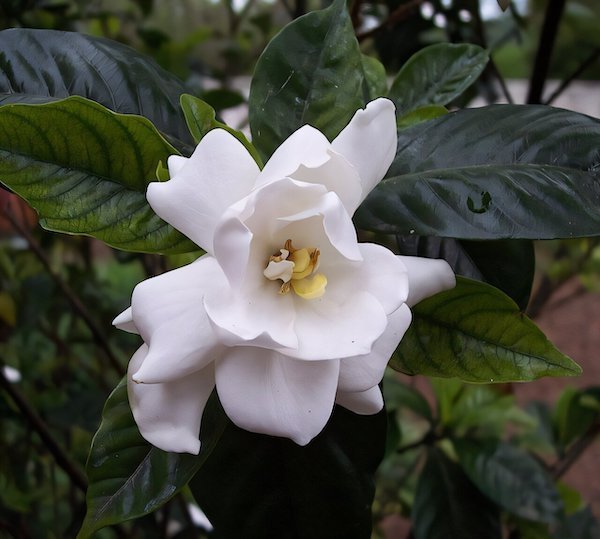 Gardenia flower from the gardens at Monticello. Credit: Wikimedia Commons, Queerbubbles CC BY-SA 3.0
Delthia Ricks -- MedicalXpress
Jan. 20, 2025
Gardenia plants contain a substance that can prompt nerve regeneration.
Known for its rich, earthy fragrance, waxy petals and brilliant white color that contrasts with the deep emerald green of its leaves, the Gardenia plant has long been prized by herbalists, seekers of food and fabric dyes, and even pharmaceutical companies.
Now, a collaborative team of scientists at several research centers in the United States has found that a compound known as genipin, derived from the gardenia plant called Cape jasmine, can prompt nerve regeneration. Neurons damaged and stunted by disease find new life in the lab when exposed to the plant-derived compound.
The chemical comes from the fruit of this extraordinarily versatile plant. Gardenia shrubs, in general, are native to tropical and subtropical regions of Asia. But the plants are propagated globally by horticulturists and amateur gardeners who are most familiar with the flower's beauty and the intoxicating scent of their perfume.
(more)
- Categories
- Date rangeMonday, January 20, 2025
- Last modifiedFriday, June 05, 2026
